Throughout 2025, the sleep industry witnessed a decisive shift as sales of shredded memory foam pillows surged across Europe and North America. No longer a niche category, this growth was fueled by a "perfect storm" of consumer demands: the need for personalized comfort, a heightened focus on sleep health, and an uncompromising push for sustainable materials.
From 2020 to 2025, the shredded memory foam category expanded at a CAGR of 6.8%–8.2%, distinctly outpacing traditional solid foam pillows (+4.5%). By the close of 2025, retail sales reached:
Europe: $12–15 billion
North America: $18–22 billion
Collectively, these markets now capture approximately 25% of the global premium pillow segment. This growth has been catalyzed by Direct-to-Consumer (DTC) giants like Casper and Purple, whose aggressive e-commerce strategies, risk-free trials, and wellness-centric marketing have accelerated mass adoption.
Personalized Adjustability: Users can add or remove filling to customize loft and density. This "made-for-you" experience became ideal for side sleepers and those seeking targeted neck pain relief.
Sustainability Focus: The shift toward recycled PU foam and verified certifications (e.g., OEKO-TEX, EU Ecolabel) resonated strongly with the growing demographic of eco-conscious buyers in both regions.
Seamless Digital Experience: Online channels lowered purchase barriers significantly. Features like 100-night trials and hassle-free returns empowered consumers to switch from traditional retail to DTC brands without risk.
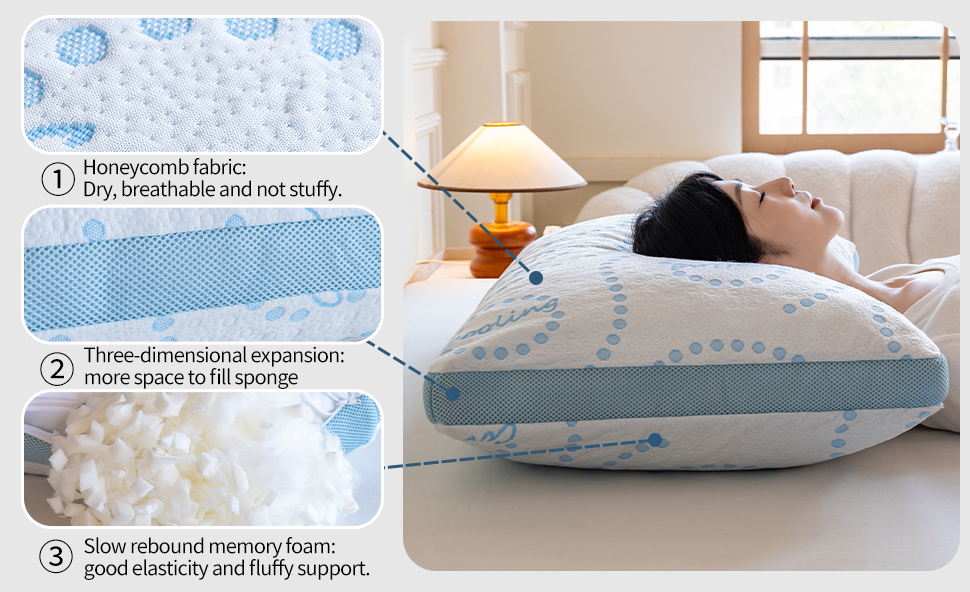
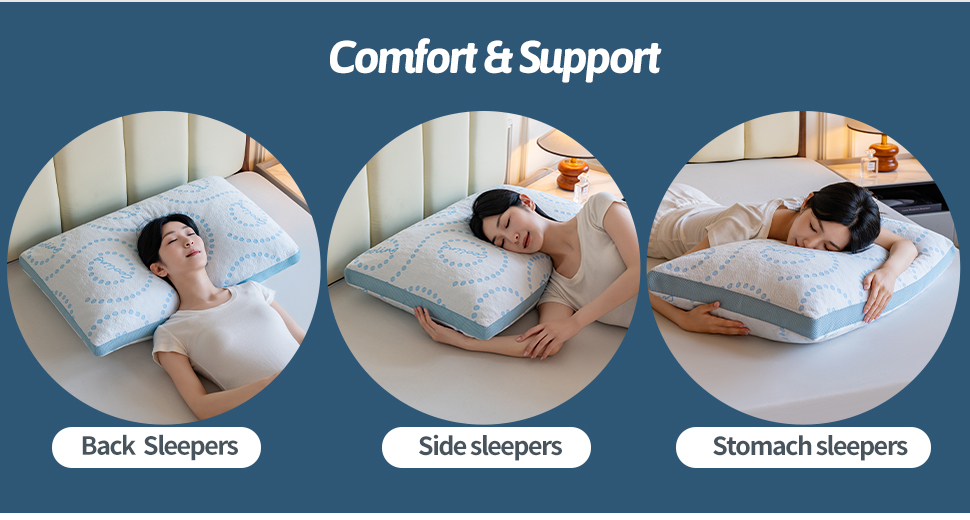
North America: The market prioritized performance-driven features, particularly cooling gel technologies and phase-change materials. Sales were overwhelmingly dominated by DTC brands leveraging aggressive social media marketing.
Western Europe: Consumer demand was anchored in environmental stewardship. Purchasing decisions were heavily influenced by third-party certifications (e.g., OEKO-TEX) and the transparency of recycled material supply chains.
Nordic Region: This market exhibited a distinct preference for minimalist aesthetics and natural purity. Shoppers gravitated toward organic cotton covers, unbleached fabrics, and simple, functional designs.
Technological Evolution Innovations in biobased foam materials and advanced recycling technologies are projected to further elevate the environmental appeal of this category. As "sleep wellness" transitions from a trend to a lifestyle standard—fueled by wearable tech and digital health data—shredded memory foam is poised to aggressively displace conventional fiberfill and solid foam options in the mid-to-premium market tiers.
Strategic Imperatives for Brands For manufacturers and retailers, sustaining growth in the coming year will hinge on three pillars:
Radical Transparency: Full disclosure of materials and supply chain certifications.
Hyper-Segmentation: developing targeted variants (e.g., specific cooling models, pregnancy support pillows).
Omnichannel Presence: Successfully bridging the gap between DTC e-commerce, healthcare partnerships, and premium hospitality.
Conclusion In summary, the shredded memory foam pillow of 2026 will embody the intersection of personalized comfort, health awareness, and environmental responsibility—solidifying its status as an essential component of the modern sleep ecosystem in Europe and North America.


