Categories
Is a pregnancy pillow different from a normal pillow?
Discover the key differences between pregnancy pillows and normal pillows. Learn why specialized maternity support is essential for better sleep and pain relief.
Feb 11th,2026
508 Views
When expecting a baby, the body will change significantly from a growing belly to new aches making sleep difficult. Many turn to pregnancy pillows, but are they really different from normal ones? The answer is yes. They serve distinct purposes. A normal pillow focuses on general sleep comfort, while a pregnancy pillow is designed to support the specific needs of a pregnant body. Let’s explore their key differences.
table of content:
-
Normal Pillows: Purpose and Design
-
Pregnancy Pillows: Purpose and Design
-
Key Differences between Pregnancy and Normal Pillows
-
Can Normal Pillows Replace Pregnancy Pillows?
-
When to Use a Pregnancy Pillow
-
Conclusion
1.Normal Pillows:Purpose and DesignA normal (bed) pillow is a common item used to support the head and neck during sleep. Most people use one or two nightly, regardless of pregnancy, to align the head with the spine and reduce neck/shoulder strain.Normal pillows come in rectangular shapes (16–20 inches wide) with varying thickness, suited to sleep positions: medium for back sleepers, thick for side sleepers, and thin or none for stomach sleepers. Materials like cotton, memory foam, latex, and down offer different softness and breathability, but all focus on head and neck support ignoring pregnancy specific changes like a growing belly.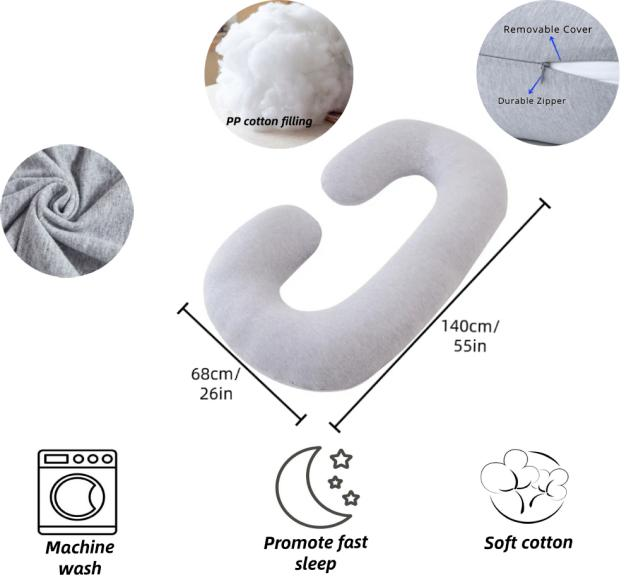
2.Pregnancy Pillows: Purpose and DesignA pregnancy pillow supports pregnant people from the first trimester to postpartum, targeting multiple body areas: belly, hips, lower back, knees, and chest. As the belly grows, it shifts the center of gravity, straining the lower back; side sleeping (recommended after the first trimester) also pressures hips and knees issue a pregnancy pillow solves with targeted support.Larger than normal pillows, they come in unique shapes: U-shaped (wraps around the body), C-shaped (supports belly/back/hips), wedged (small, targeted support), and full-body (long, supports head to knees). Materials are often hypoallergenic and breathable (to avoid pregnancy overheating) with removable, washable covers. 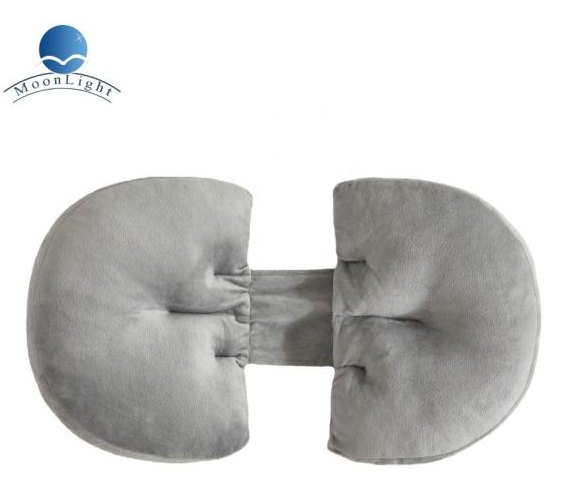 3.Key Differences3.1 Design, Shape and SizeNormal pillows are compact, rectangular and small.Pregnancy pillows have body-hugging shapes and are much larger (U-shaped: 50–60 inches long, full-body: 50–70 inches long), taking more bed space. 3.2 Support FocusNormal pillows only support the head and neck. Pregnancy pillows offer multi-area support, relieving back strain from the growing belly, aligning hips with knee support, and easing lower back pressure something normal pillows can not do.
3.3 Comfort and MaintenanceNormal pillows offer personal preference comfort. Pregnancy pillows provide targeted relief for sore pregnancy areas and are often adjustable. Pregnancy pillows use durable materials with easy-to-clean covers.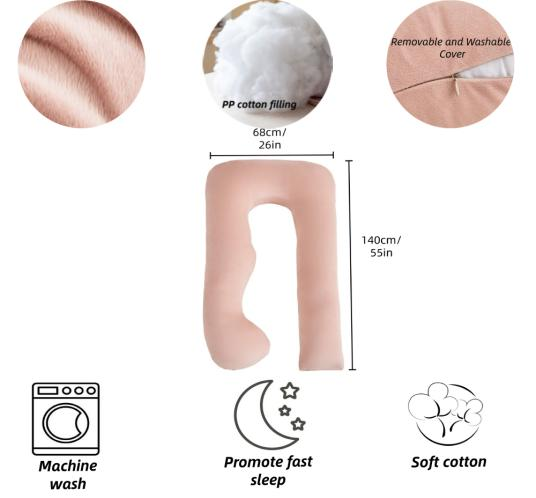
4.Can Normal Pillows Replace Pregnancy Pillows?Extra normal pillows may offer minimal first-trimester support but are not a replacement. They are too small for adequate belly and back support, cause poor alignment, require constant adjustment which will disrupt sleep. Most need a pregnancy pillow by the second/third trimester.
5.When to Use a Pregnancy PillowStart using one when experiencing discomfort: trouble side sleeping, lower back/hip/pelvic pain, a growing belly needing support, or frequent nighttime waking. Many use them postpartum for breastfeeding or back pain.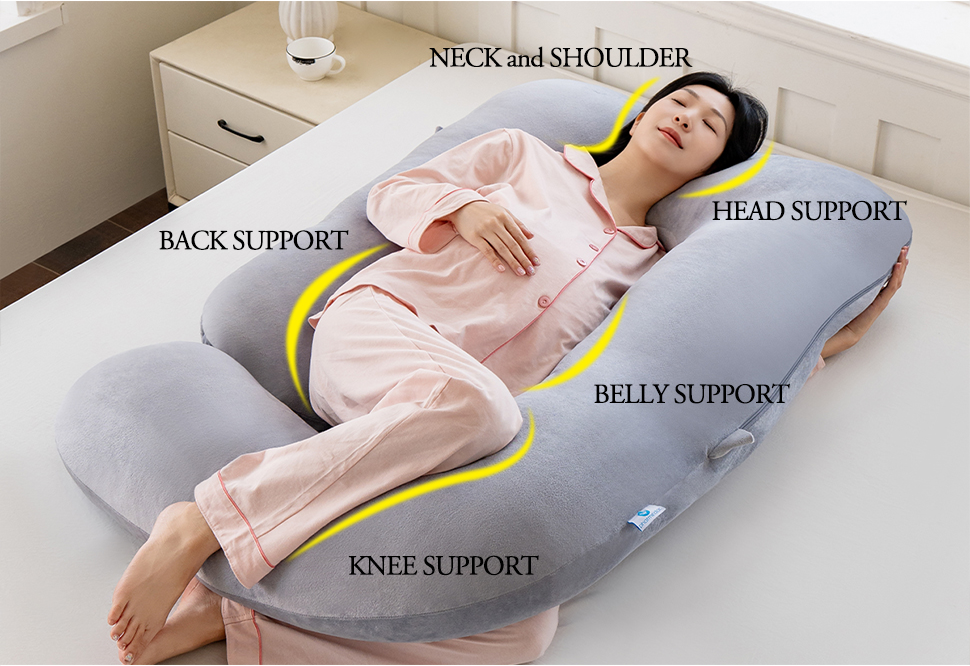
6.ConclusionPregnancy pillows are drastically different from normal ones specialized to support pregnant bodies, improving sleep and reducing pain. They are a worthwhile investment for pregnancy comfort. They complement, not replace, normal head pillows and an essential tool for a smoother pregnancy journey.


