
A larger collection does not always create a stronger launch. For a first OEM order, the most useful question is not how many designs a factory can make, but how few SKUs you need to learn what your market wants. Here is how we help buyers turn one product idea into a focused, scalable range.
New pillow brands often arrive with an ambitious collection plan: three shapes, four colours and two firmness levels. On a presentation slide, that looks like one range. On a factory production sheet, it becomes dozens of SKUs, each with its own materials, labels and minimum quantity.
A first run needs enough choice to test demand, but not so much variety that inventory becomes difficult to read. The goal is a product architecture that expands after real sales data arrives.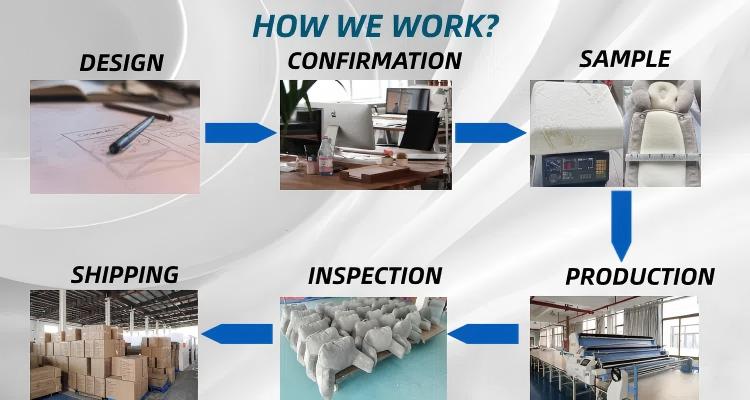
Start With One Product Architecture
Choose the central product before choosing the range: one U-shaped maternity pillow with a removable cover, one adjustable sleeping-pillow construction, or one orthopaedic pet-bed base offered in two sizes.
Keep the internal construction consistent. The same fill, liner, zipper logic and seam method let the factory repeat processes efficiently. Put variation in the elements customers notice first — cover colour, surface texture or packaging — without rebuilding the product underneath.
Changing a colour is straightforward. Changing the fill, dimensions or chamber layout requires a new sample and weight calculation. Treating both changes as equal is how a compact range becomes a long sampling project.
Count SKUs Before You Approve Colours
Every combination is a SKU. Two sizes in three colours already create six. Add two firmness levels and the range becomes twelve, before replacement covers or bundle packs are counted.
Write the combinations down in a simple matrix before requesting quotations. For each SKU, list:
- Product shape and finished dimensions
- Cover fabric and colour
- Fill type and target weight
- Label and barcode version
- Packaging format and carton quantity
- Planned order quantity
This reveals which options share one production platform and which low-volume combinations divide the order too finely.
Use Colour to Test Demand Efficiently
Colour is a safe first-run variable because it changes the offer without changing comfort or construction. A practical launch might use one neutral as the volume colour, supported by one or two accent colours.
Custom-dyed fabric may carry a mill minimum above the finished-product MOQ, while stock colours offer more flexibility. Ask which colours are available in the approved fabric before finalising the palette; stocked bases reduce development time and unused material.
Apply the same discipline to branding. Choose one method — woven label, heat transfer or embroidery — and keep its size and position consistent across colours. This simplifies reorders and strengthens visual identity.
Sample the Variables, Not Every Combination
You do not need a finished sample of every colour-size combination. Build samples around the variables that affect approval.
Approve the complete construction in one master sample: dimensions, fill weight, firmness, zipper, seams and label position. Review other colours as swatches or cover-only samples. For two sizes built by the same method, produce one full sample of each size rather than every colour in both.
This reduces courier volume and creates one sealed reference. Comments such as “use the blue sample’s firmness with the grey sample’s zipper” invite interpretation; one master specification removes it.
Match MOQ to the Question You Are Testing
The first order should answer one commercial question: are customers responding to the shape, fabric story, adjustable fill or colour palette? Change too many variables and sales data cannot identify the driver.
Our OEM MOQ typically starts at 500 pieces per design and can be discussed for trial orders. Allocate more units to the combination expected to carry the range and fewer to selected tests where material availability permits.
Include replacement covers, samples, photography stock and after-sales reserve before confirming the split. These quantities are difficult to add after the cutting plan is locked.
Design the Second Run Into the First
A focused launch is not a small ambition; it is an information strategy. Keep the core construction stable, measure sales by SKU, record which colours reorder fastest and collect feedback on firmness and care. The second run can then add the variation the market has earned.
That is how a collection grows without losing control: one dependable product platform, a limited set of visible choices and a clear rule for what gets added next.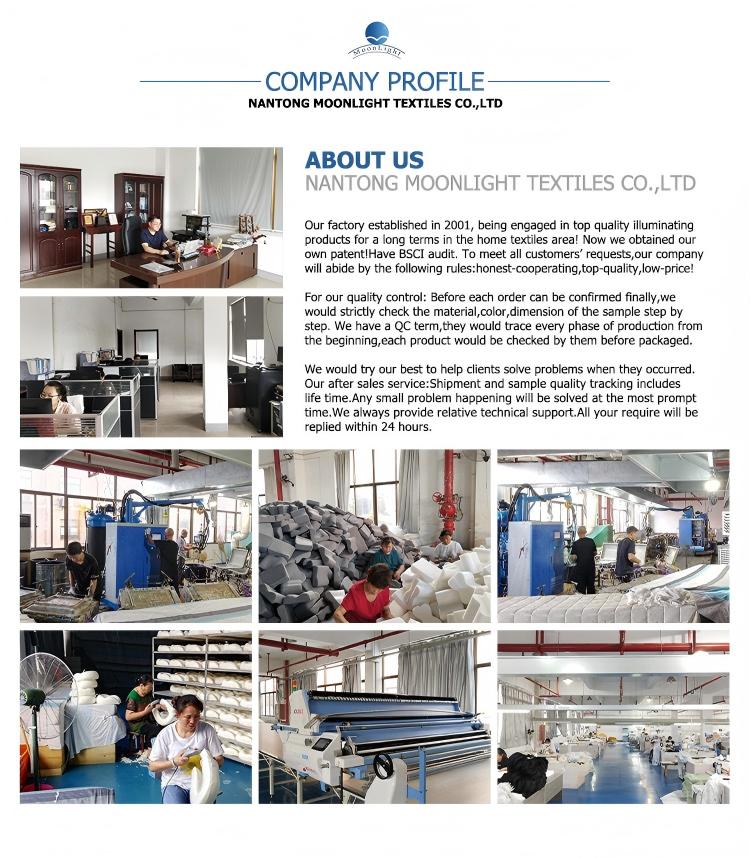
Frequently Asked Questions
Q: What is the typical OEM MOQ for a first pillow collection?
A: Our OEM MOQ typically starts at 500 pieces per design, and we are open to discussing trial orders for new brand launches to help you test the market effectively.
Q: How many SKUs should I start with for my first product launch?
A: We recommend starting with a single core product architecture and varying only safe visual elements like cover colours or simple size options, keeping the total SKU count low to avoid splitting your inventory too thinly.
Q: Do I need a physical sample for every single color and size combination?
A: No. You only need one master sample to approve the core construction, filling, and dimensions, while additional colors can be reviewed using fabric swatches or cover-only samples to save time and courier costs.
Q: Can I use stock fabrics to reduce lead times and development costs?
A: Yes. Choosing from available stock colours in approved fabrics prevents custom-dyed mill minimum hurdles, reduces development time, and eliminates unused material waste.
Talk to Our Factory
Nantong Moonlight Textiles Co., Ltd. has manufactured home textiles in Nantong, Jiangsu since 2001, supporting OEM and ODM programmes across pregnancy pillows, memory foam and travel pillows, dog beds, cushions and mattresses for buyers in the Middle East, South America, Europe and Southeast Asia.
Send us your proposed sizes, colours and target order quantity. We will map the combinations into a practical SKU plan, identify which elements can share one production platform and prepare a sampling route with a factory-direct quotation.
📧 Email: anna@ntmoonlight.com
📞 Phone: +86 0513-85602180
👤 Contact: Anna (Sales Manager)
📍 Address: No.56 Tonggang Road, Chongchuan District, Nantong City, Jiangsu Province, China


