Product Overview
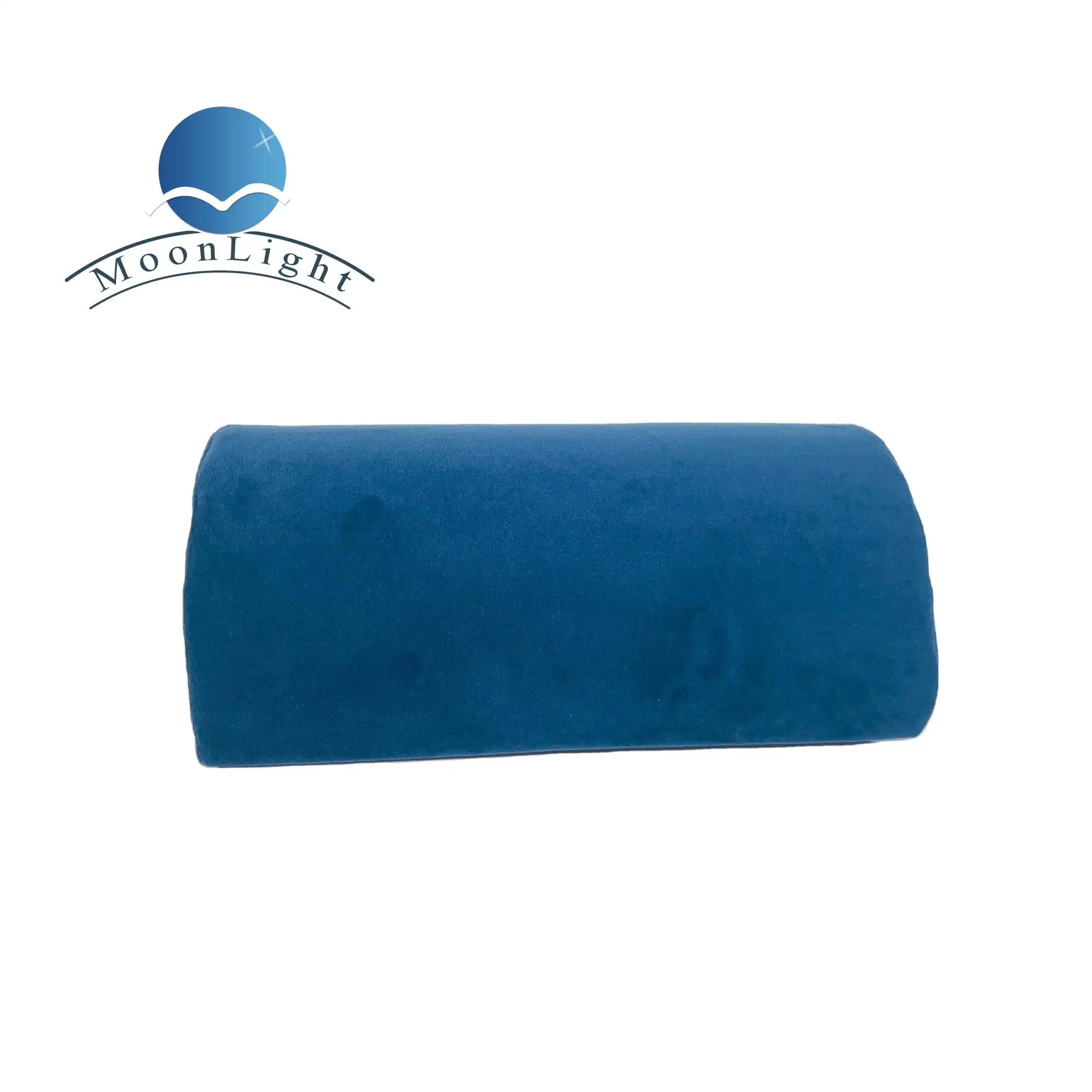
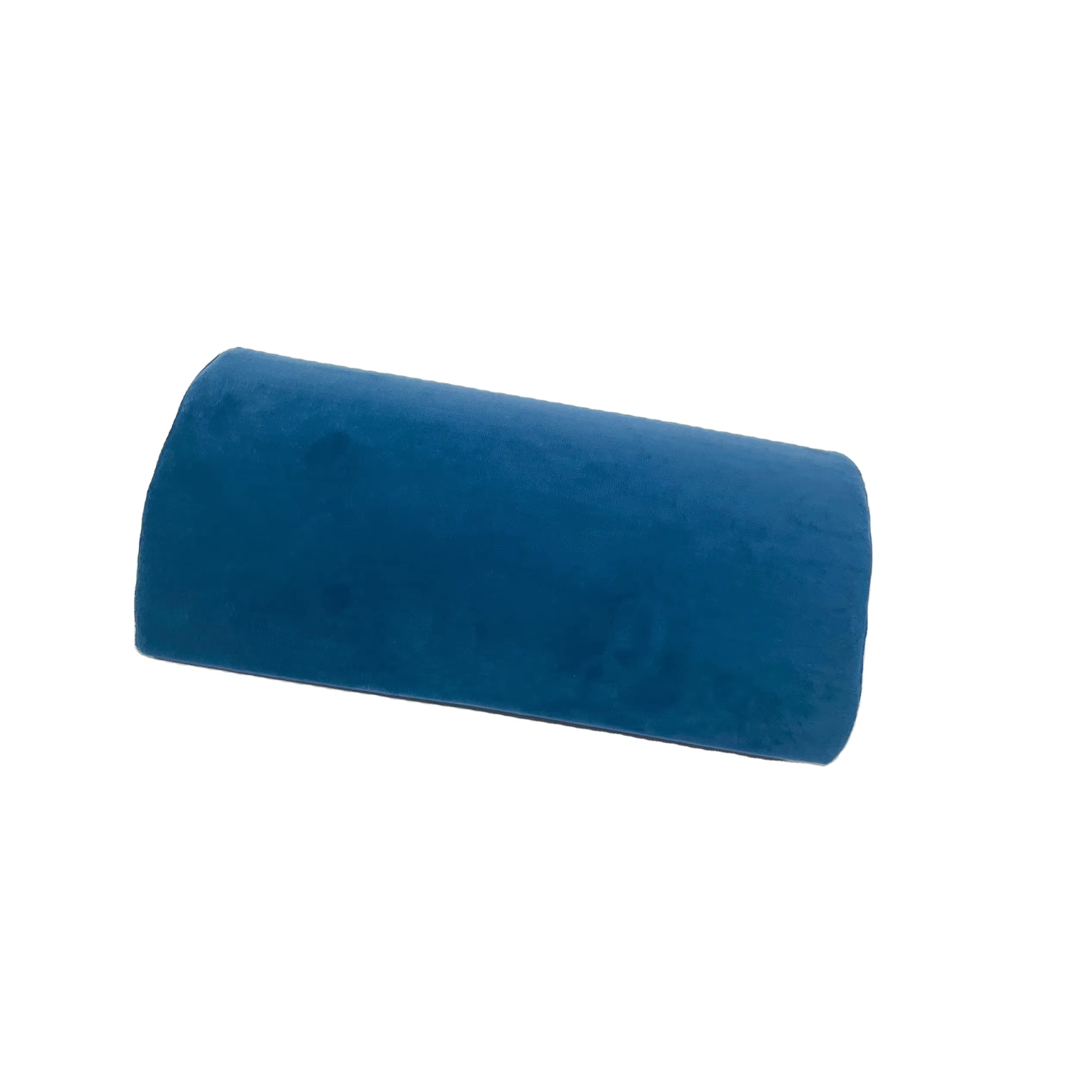
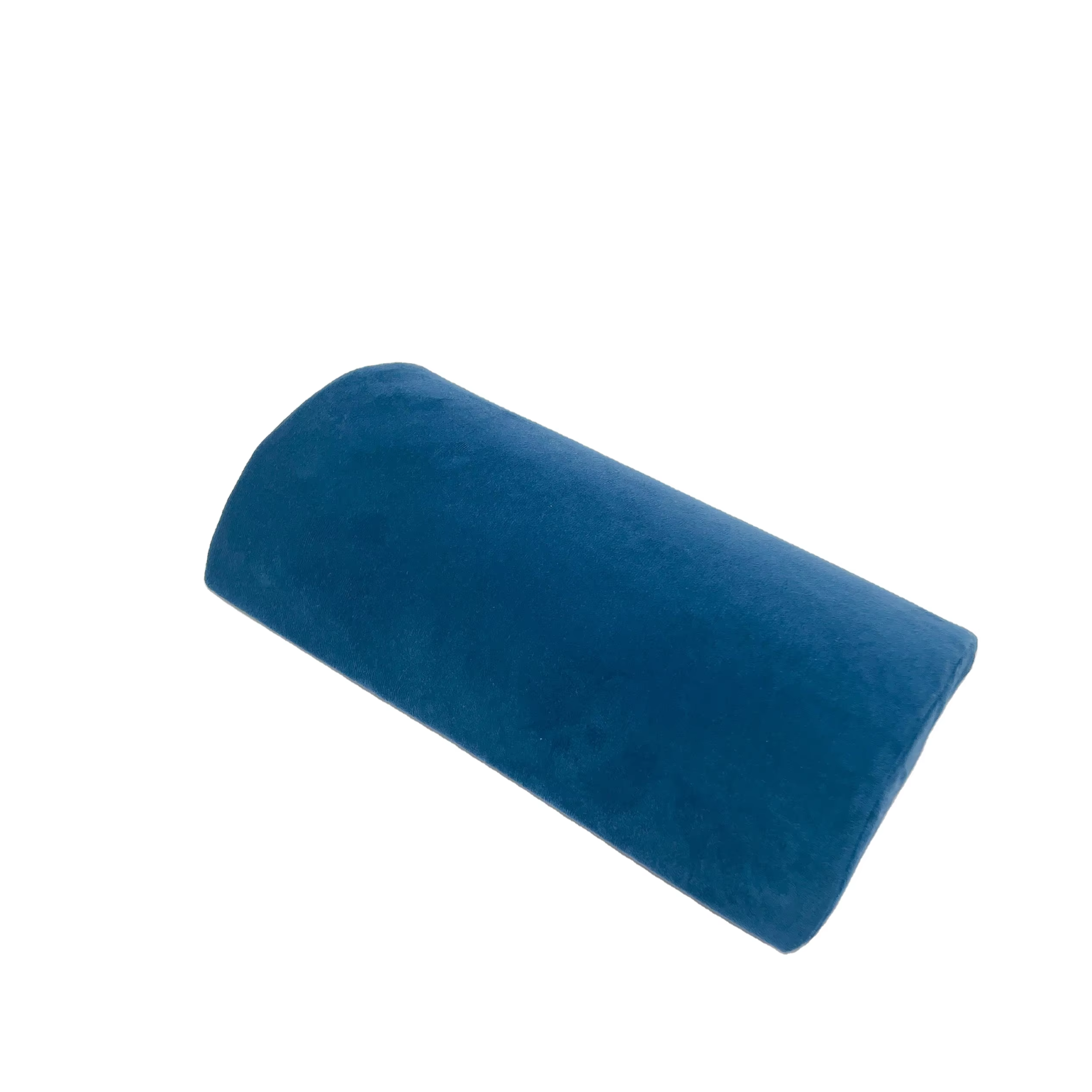
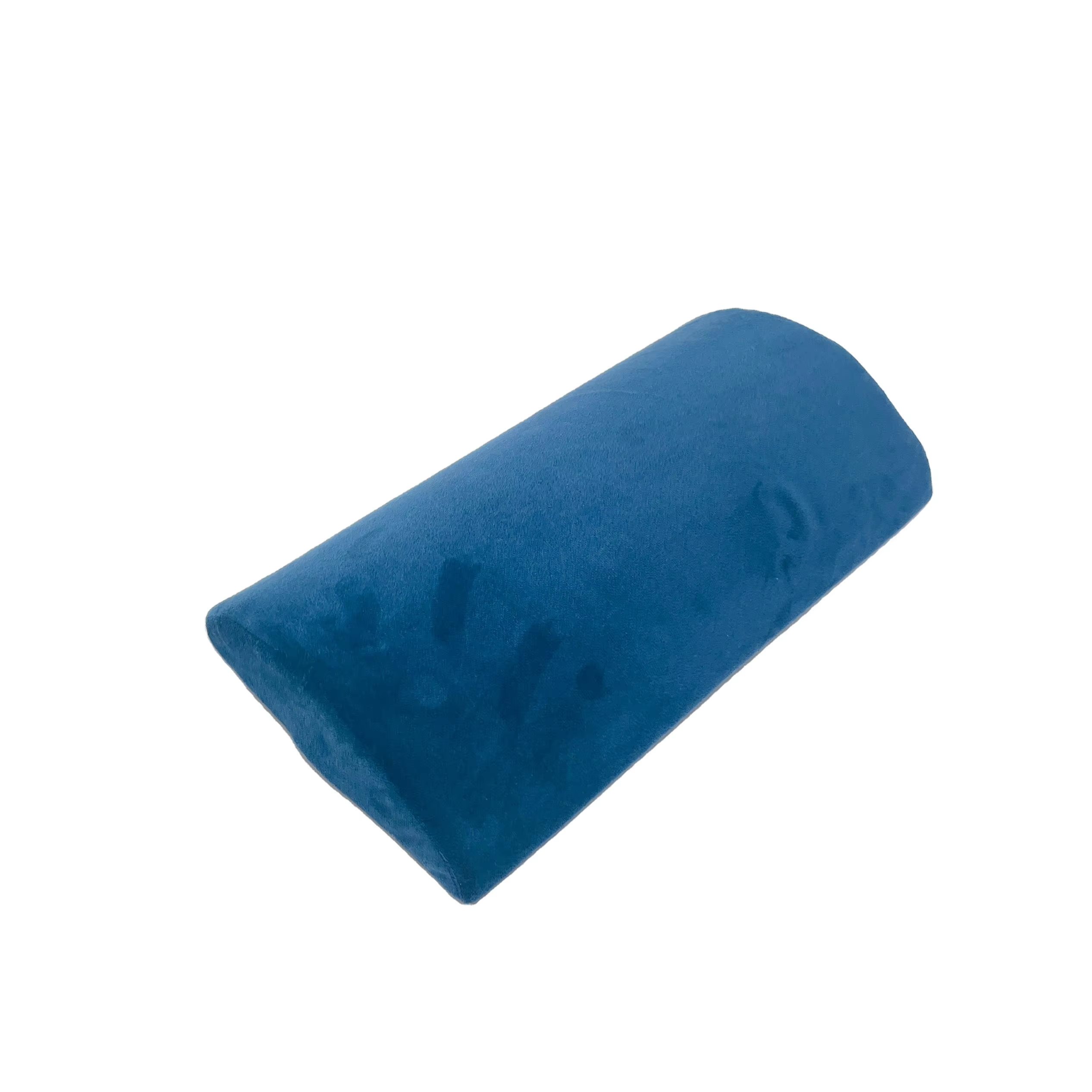
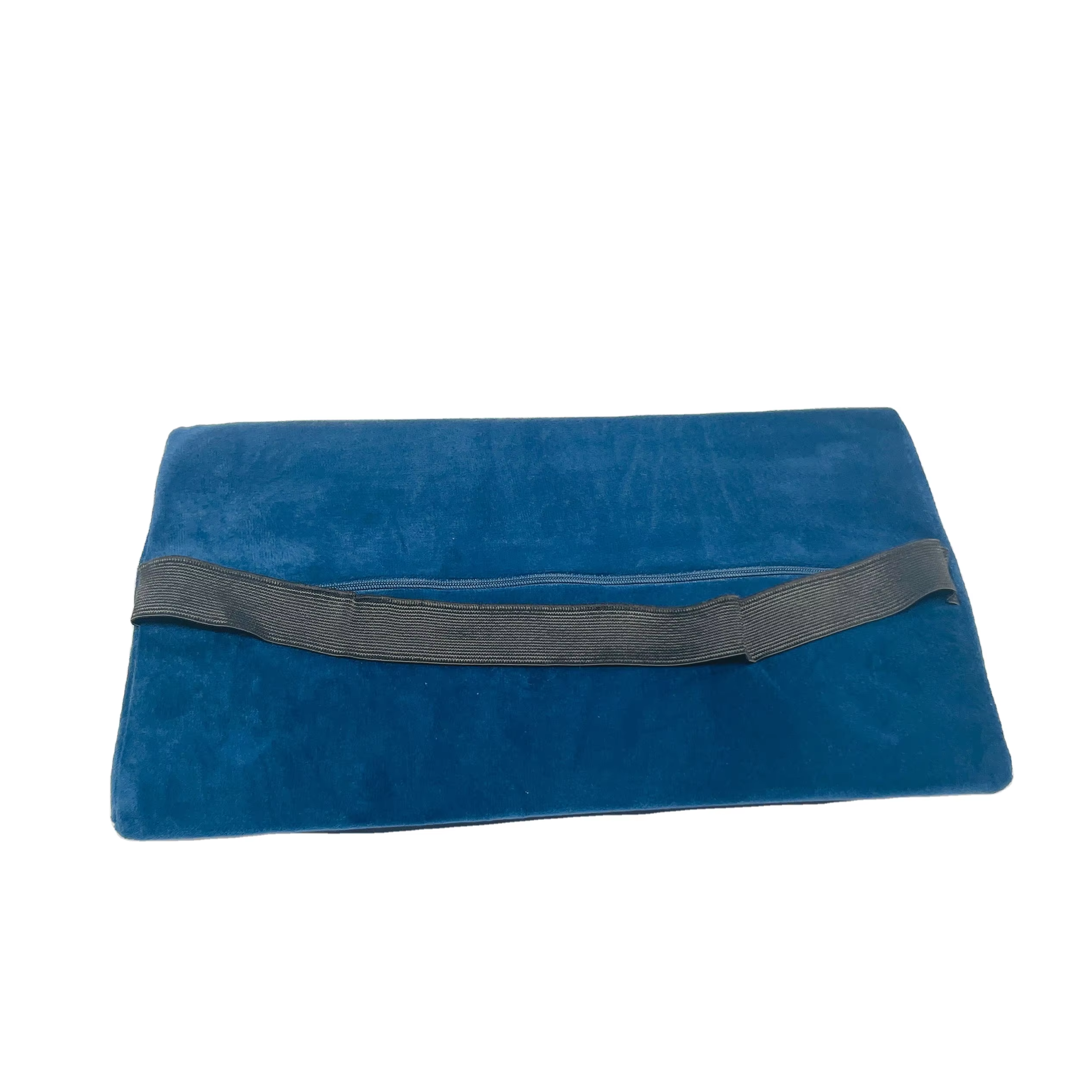
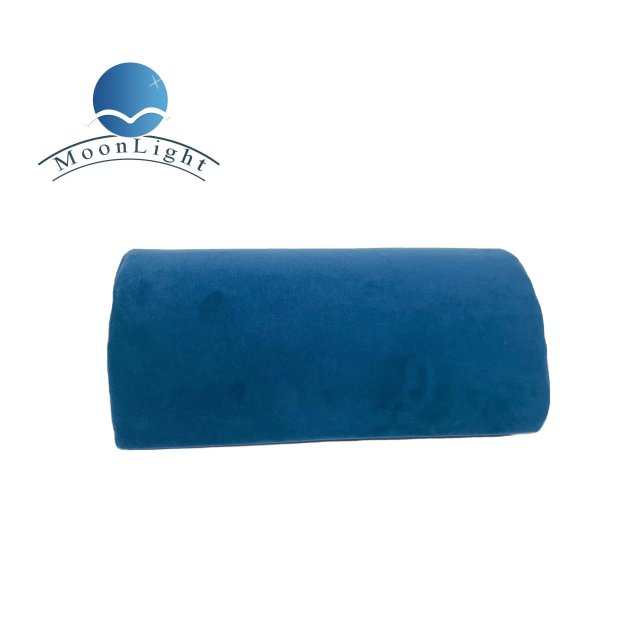
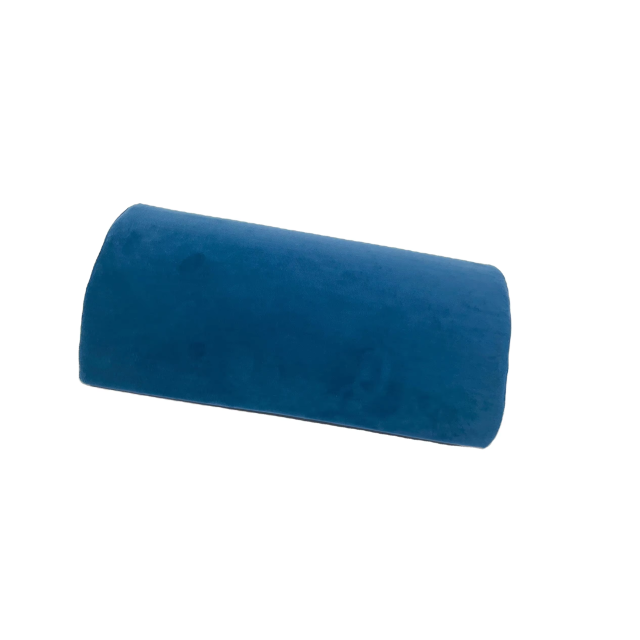
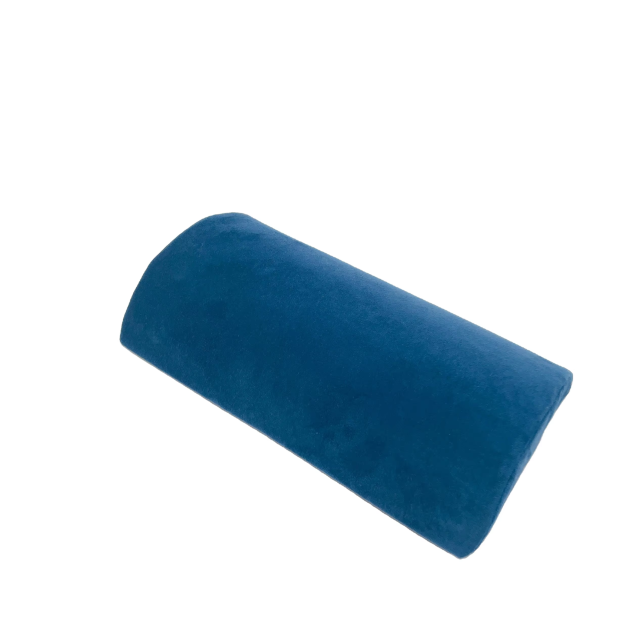
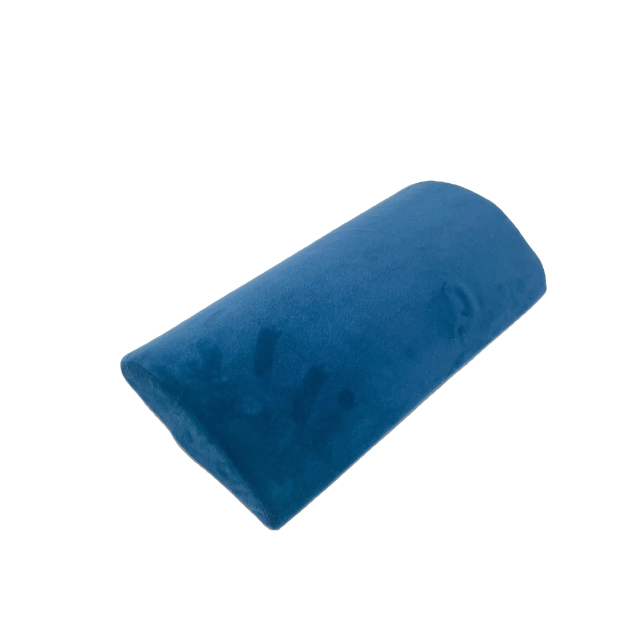
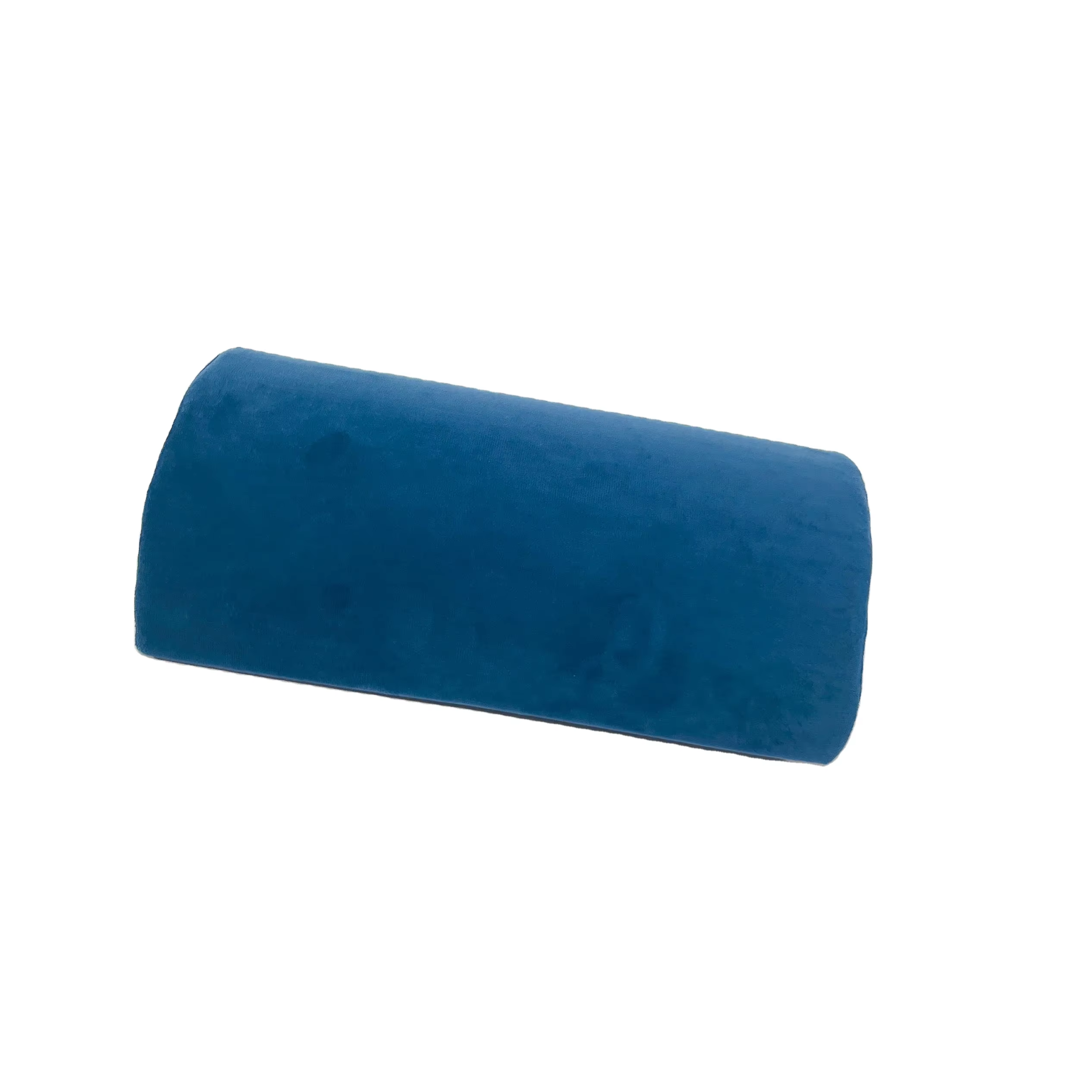
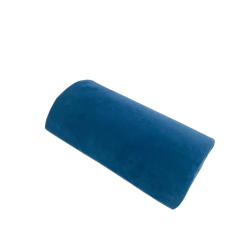
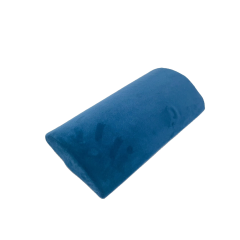
Somewhere between a decorative scatter cushion and a piece of office furniture sits the velvet lumbar cushion: a quilted, memory foam pad that goes exactly where a chair leaves a gap. It rests against the lower back, in the inward curve above the hips, so the sitter's weight is shared between the chair and the cushion instead of being carried entirely by the spine.
Because the cushion is made to order rather than pulled off a stock shelf, it can be sized for the chair it will actually sit on — a compact hotel room desk chair, a deep lounge chair, or a standard office task chair. That makes it a practical quilted memory foam desk chair cushion for a single buyer, and a repeatable specification for a hotel chain or an office programme that needs the same item across dozens of rooms.
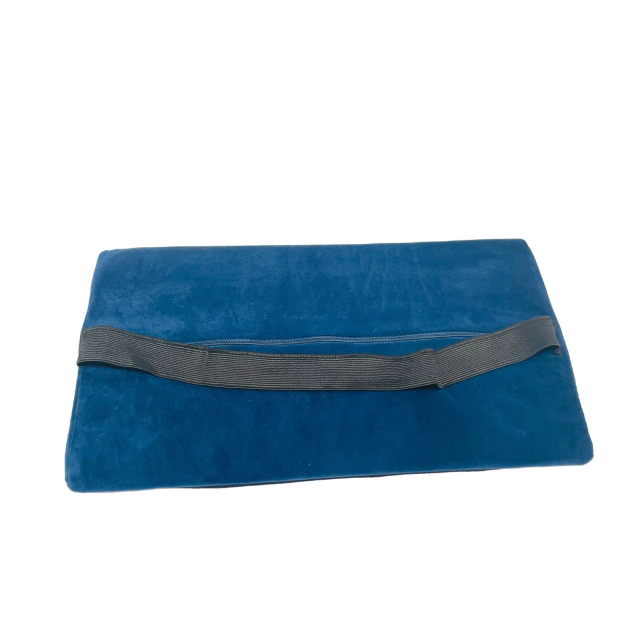
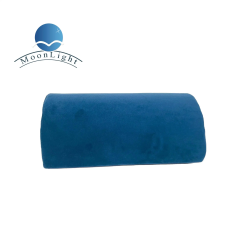
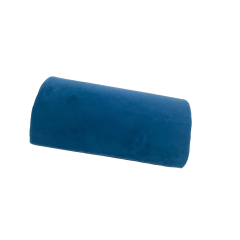
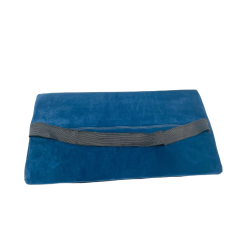
The cover is a 100% polyester velvet, quilted in stitched lines; the sample shown here is in deep blue, and the cover can be made in whatever colour your programme specifies. Nothing needs assembling or fastening — the memory foam back cushion is placed against the backrest and stays in position while the sitter works, reads or takes a call. MLMC032 is the reference for this model, and both the size and the branding are open to your specification.
Product Advantages
- Quilted channels that hold the fill in place. The cover is stitched in continuous lines, so the memory foam stays where it was placed. On an unquilted cushion the fill migrates to one corner under daily loading, the support flattens into a ridge, and the product quietly stops working while it still looks new. The quilting is what keeps the geometry stable from the first week to the hundredth. - A memory foam core that takes the shape of the sitter. Viscoelastic foam responds to body heat and weight, so it follows the curve of the lower back instead of pressing one fixed shape into it, and it recovers each time the sitter leans forward or stands up. Fibre fills compress flat under the same working day while still looking intact. Housekeeping can keep it looking presentable, and it reads as part of the room rather than as an accessory. - Support placed where the chair leaves a gap. A chair back is flat; a lower back is not. Sitting in the space between them is what keeps the pelvis upright and moves load off the lower spine and into the chair, which is the mechanism behind desk fatigue in the first place. The result is comfortable lumbar support for office and hotel seating that does not depend on the sitter remembering to sit straight. - No frame, no bracket, no tool. The made-to-size chair cushion is placed, not installed. Housekeeping can reset it between guests in a second, an office fit-out team can position it during a desk set-up, and there is nothing to scratch a chair or leave a mark when the cushion is moved. - A cover that lifts off the core. On the velvet lumbar cushion, the cover unzips and separates from the foam, which is what makes a textile in daily clothing contact cleanable rather than disposable. In a hotel room or a shared office that is the difference between refreshing a cushion and replacing it.
Size & Fit
Size on this model is set by the buyer, so the useful question is not which size but which chair. A made-to-size chair cushion starts with the backrest: measure from the seat surface up to the point where the lower back curve begins, then measure the width available between the chair's arms or side rails. Hotel room desk chairs are usually compact and take a narrower cushion; office task chairs sit in the middle; deep lounge and reading chairs need a taller back panel so the cushion still reaches the lumbar area when the sitter is reclined. For reading in bed, the cushion can be placed against a headboard to support the lower back, but it is not a wedge. If the requirement is full back and shoulder support while sitting up in bed, a reading pillow is the better shape and this cushion is the wrong tool for that job. A lumbar cushion is also not the right answer on every chair. If the backrest already has a pronounced built-in lumbar bulge, adding this cushion doubles the pressure instead of filling a gap. Recliners where the body slides forward, stools and benches with no backrest, and chairs whose seat is too deep for the sitter's leg length will not be fixed by a back cushion. And if what you need is a posture-correction device or a therapeutic product, this is not one — it is a furnishing item that makes a chair more comfortable to sit in.
Office and Hotel Applications
- Hotel guest room desk chairs. Often the most-used chair in the room and the least considered. A quilted memory foam desk chair cushion cut to that specific chair gives guests something to lean into at the laptop, without the property replacing the furniture. - Hotel lounge and reading chairs. In lobbies, club floors and bedroom corners, the cushion softens a chair that is handsome but shallow, and it can carry the property's own colour and logo. - Front desks, reception and back offices. Staff who sit at the same counter for a whole shift get support where the stool or task chair leaves it, with a cover that can be refreshed between shifts. - Office workstations and meeting rooms. Specified across a floor plate so every chair in the fit-out carries the same memory foam back cushion, then reordered when the next floor is built out. - Serviced apartments and co-working spaces. Furnishings here take more turnover than in either a hotel or a fixed office, and a cushion made to the chair, branded to the operator and cleanable between tenancies is easier to maintain than loose soft furnishing. - One specification across two programmes. Office furniture schedules and hospitality refurbishments run on different calendars, and the same cushion serves both. One approved specification covers either programme, so the comfortable lumbar support for office and hotel chairs can be reordered when the next refresh comes round.
Specifications
| Item | Back Lumbar Support Cushion |
|---|
| Model | MLMC032 |
| Brand Name | Moonlight |
| Place of Origin | China |
| Cover | Velvet cover,or as per client's requirements |
| Filling | Memory Foam |
| Size | as per client's requirements |
| Weight | 0.5-1KG |
| Feature | Soft |
| Pattern | Solid |
| Construction | Quilted |
| Cover care | Removable and washable |
| Customized | Yes |
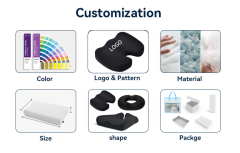
Customization Options
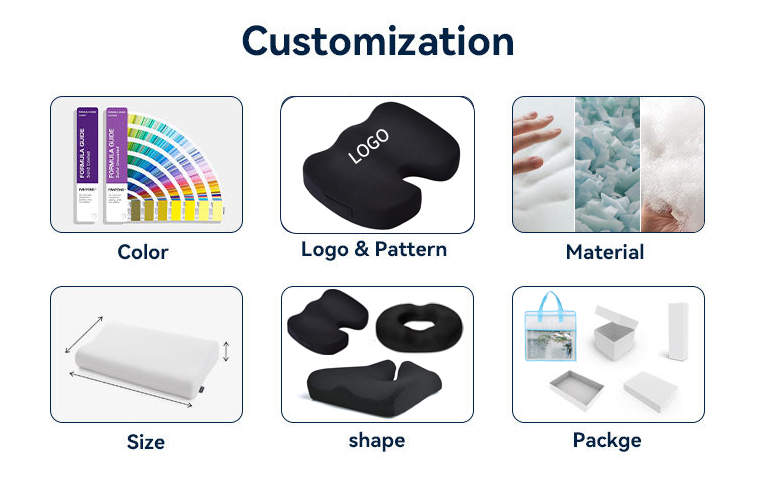
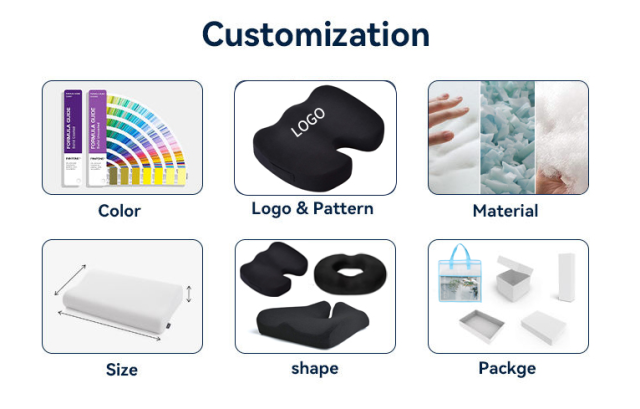
- Set the size against the chair. Send the backrest height, the usable width and a photograph of the chair with a tape measure in frame, plus a drawing if you have one. This is the step that turns the order into a made-to-size chair cushion for that specific hotel chair rather than a stock item, so it is worth getting the measurements right the first time.
- Choose the cover. For the velvet lumbar cushion, 100% polyester velvet is the standard; if your programme needs a different fabric, pile or colour standard, raise it here. The cover is cut before the foam goes in, so a fabric change is not something that can be added later in production.
- Choose the quilting. The stitched layout can follow our standard pattern or your own. Because the quilting is also what holds the fill, treat it as a performance decision as well as a visual one — very large open panels give the foam more room to shift than a tight channel layout.
- Choose the logo method and placement. Embroidered and printed branding are both possible. Supply the artwork and confirm where the mark should sit, keeping it clear of the stitch lines so the quilting does not run through a logo.
- Confirm the specification sheet. Size, fabric, colour, quilting and logo are written onto one sheet that production works from. Once you have signed it off, every unit in the run is made to match it, so the comfortable lumbar support for office and hotel chairs stays consistent and a reorder is straightforward.
Washing and Care
- Unzip the cover and lift out the foam core before washing. The two parts are cleaned differently, and the core should never go into a machine.
- Wash the cover on its own, following the care label agreed for your order. Wash temperature and drying method are fixed with that label at order stage, so confirm them with our team if your market has its own labelling rules — we do not put a number on the product that your label then has to contradict.
- Air-dry the cover flat or line-dry it. Avoid a tumble dryer unless the label you have agreed allows one, and do not press or iron the velvet face.
- Clean the foam core with a damp cloth and a little mild soap, then let it air in the shade. Do not machine wash it, wring it, or leave it in direct sun — heat and trapped moisture are what shorten a memory foam's working life.
- Refit the core once the cover is completely dry, and smooth the quilting flat by hand. We do not quote a fixed number of wash cycles, because cover life depends on the fabric chosen and on how the laundering is actually done; ask us for the laundering guidance that matches your market before you print your own care card.
Comfort Support vs Medical Device
- What you are buying, in regulatory terms. This is a quilted memory foam back cushion — a soft furnishing that makes a chair more comfortable to sit in. It is not registered as a medical device in any market, it carries no therapeutic indication, and it is not supplied with clinical testing, a prescription use or a notified-body certificate. Sell it as furniture-grade comfort, not as treatment.
- Wording that keeps it a furnishing product. Phrases such as "comfort support", "fills the gap between the lower back and the chair back", "keeps the lower back supported through a long sitting session", and "quilted memory foam cushion for desk and lounge chairs" describe what the item physically does. They are accurate for this product and stay inside comfort-furnishing language in every market we ship to.
- Wording that changes its legal category. "Relieves back pain", "treats", "cures", "prevents spinal problems", "orthopaedic", "medical-grade", "clinically proven" and "doctor-recommended" can pull a cushion out of the furnishing category and into medical-device or medicinal-claim territory, where the burden of proof sits with the party making the claim. We would rather flag this before your artwork is printed than after your listing goes live.
- Labels, hangtags and packaging. We print care labels, hangtags and cartons to the artwork you approve, and we can carry your logo, colour standard and packaging box design through production. We do not write health copy for you: the wording you print is your responsibility, so send the final text for sign-off before the label run starts.
- If your channel requires health claims, say so at quotation stage. Programmes that need a medical-device classification, clinical evidence or a specific certification cannot be served by this model, and we will tell you that up front instead of after sampling. Requirements differ between the EU, UK, US and other destinations, and the compliance position for your label should be confirmed with your own regulatory advisor.
- Hotel and office tender language that works. In FF&E schedules, procurement documents and staff manuals, describe the item as a "quilted lumbar cushion for guest room desks and lounge chairs" or a "made-to-size comfort cushion". It then stays in the soft-furnishing budget line, needs no clinical justification, and can be specified alongside the chairs rather than treated as equipment.
- No servicing, no training, no electrical rating. Housekeeping and facilities teams need two instructions only: place the cushion against the backrest, and remove the cover for washing. There is nothing to install, calibrate or maintain, which is also why the item can be rolled out across rooms or floors without a technical handover.
Ordering and Delivery
| Payment terms | T/T, L/C, D/P D/A, MoneyGram, Credit Card, PayPal, Western Union, Cash, Escrow |
| Delivery terms | FOB, CFR, CIF, EXW, FAS, CIP, FCA, CPT, DEQ, DDP, DDU, Express Delivery, DAF, DES |
| Port of loading | Shanghai |
| Packing | plastic bag or color box |
| Lead time | Stock items: about one week; OEM/ODM available |
| After-sales | Shipment and sample quality tracking provided throughout the product lifetime; all requests responded to within 24 hours |
Quality Control & Inspection
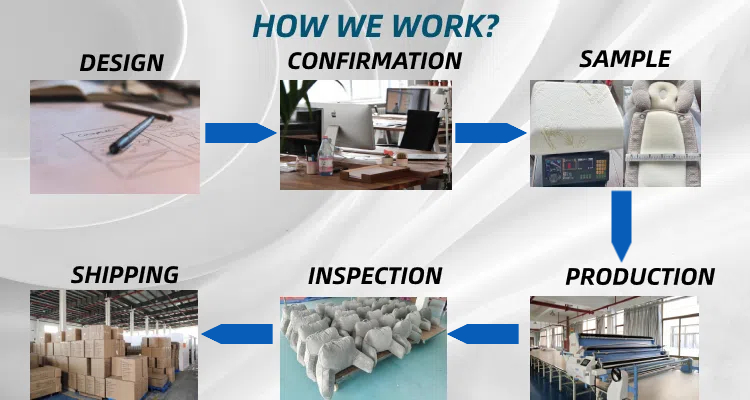
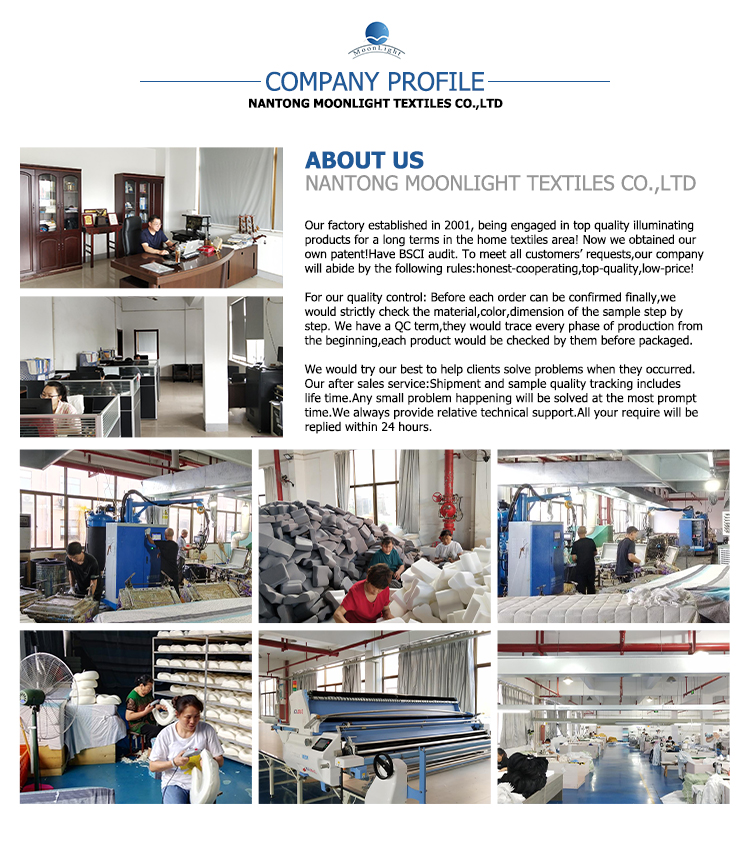
Quality is verified at each stage, not only at the end. Before bulk production we submit a pre-production sample for your approval, checking material, colour and dimensions step by step. Our QC team then follows every batch through production and inspects each piece before packing, with a final inspection before shipment. If your own team or a third-party inspector attends that final check, we plan production around it. Any issue found is raised with you before goods ship, and quality questions are answered within 24 hours. Our factory is BSCI-audited and OEKO-TEX certified.
FAQ
Which chairs will this lumbar cushion fit?
It is built as a quilted memory foam desk chair cushion, but the fit is decided by the chair rather than the name. The cushion can be cut to the backrest height and usable width you send us, so hotel room desk chairs, office task chairs and lounge chairs can all be covered from one specification. What usually decides the size is where the lower back curve starts above the seat — measure that point first, then confirm the dimensions with our team before the order is released.
Can it be made in our own size, colour and logo?
Yes. Size, cover fabric, colour, quilting pattern and logo method are all set at production level, which is why the cushion works as a custom hotel chair cushion for properties that need one specific chair covered, and as a private-label item for brands. Send the dimensions and the artwork, and we will confirm what can be matched to your colour standard before production starts.
How does it differ from a generic lumbar roll?
Three things: the quilting, the fill and the fit. A generic roll is usually a fibre-filled cylinder that compresses within weeks and shifts sideways when the sitter moves; this one holds its shape because the memory foam is stitched into channels, and it is cut to the chair rather than sold in one size. The practical result is support that stays where it was placed, order after order.
Is this a medical or therapeutic product?
No. It is a comfort support: it fills the gap between a flat chair back and the natural curve of the lower back, which changes how the sitter's weight is carried, but it is not a medical device and it is not sold to correct a diagnosed condition. Buyers with clinical or posture-correction requirements should treat it as a furnishing product and confirm their own compliance position before making claims.
Can it be used in bed for reading?
It can be placed against a headboard to support the lower back while you read or work in bed, and it stays where it is put because it has a proper shape rather than a loose fill. It is not a wedge, though: if the sitter needs full back and shoulder support while sitting upright in bed, a reading pillow does that job and this cushion does not. Use this one for lumbar support on a chair or as a lower-back pad against a headboard.